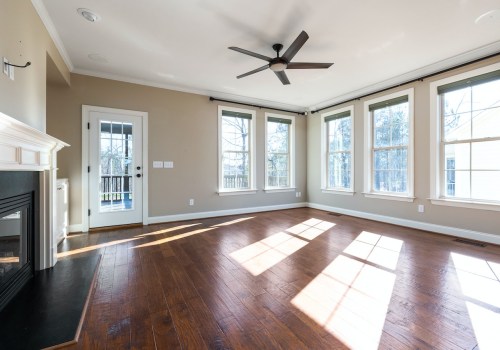
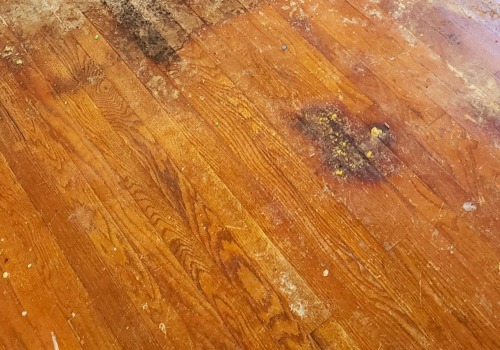
Hardwood flooring is a popular choice for homeowners due to its timeless appearance, durability, and ability to add value to a property. Before installation, it is important to understand the different types of hardwood available, including solid and engineered options. Each type has its own benefits, with solid hardwood offering longevity and refinishing potential, while engineered hardwood provides greater resistance to moisture and temperature changes. Selecting the right type depends on the specific needs of the home, including climate conditions and the intended use of the space.
Preparing the Subfloor for Installation
Proper subfloor preparation is essential for a successful hardwood flooring installation. The subfloor must be clean, dry, and level to ensure that the flooring sits evenly and remains stable over time. Any imperfections in the subfloor can lead to issues such as creaking, gaps, or uneven surfaces. Moisture levels should also be checked, as excess moisture can cause the wood to expand or warp. Taking the time to prepare the subfloor correctly helps prevent future problems and ensures a long-lasting installation.
Considering Moisture and Environmental Factors
Moisture is one of the most significant factors affecting hardwood flooring. Changes in humidity can cause wood to expand or contract, leading to gaps or buckling. It is important to acclimate the flooring materials to the home’s environment before installation, allowing them to adjust to temperature and humidity levels. Additionally, installing moisture barriers and maintaining proper indoor conditions can help protect the flooring from damage. Homeowners can also visit website resources to learn more about managing moisture and maintaining optimal conditions for hardwood floors.
Choosing the Right Installation Method
There are several installation methods for hardwood flooring, including nail-down, glue-down, and floating installations. The choice of method depends on factors such as the type of flooring, subfloor material, and location within the home. Each method has its own advantages and requirements, making it important to select the one that best suits the project. Consulting with professionals can help ensure that the chosen method is appropriate and that the installation is carried out correctly.
Planning for Maintenance and Longevity
Hardwood flooring requires regular maintenance to preserve its appearance and durability. Routine cleaning, protective measures such as area rugs, and periodic refinishing help extend the lifespan of the flooring. Understanding the maintenance requirements before installation allows homeowners to make informed decisions and prepare for long-term care. Proper maintenance not only keeps the flooring looking its best but also protects the investment over time.
Enhancing Home Value and Aesthetic Appeal
Installing hardwood flooring can significantly enhance the overall value and aesthetic appeal of a home. Its natural beauty and versatility make it a desirable feature for many buyers, contributing to increased property value. By carefully planning the installation process and considering factors such as material selection, subfloor preparation, and maintenance, homeowners can achieve a high-quality result that adds both functionality and visual appeal.
Achieving a Successful Installation
Ultimately, installing hardwood flooring requires careful planning, attention to detail, and an understanding of key factors such as moisture control and installation methods. By taking these considerations into account, homeowners can ensure a smooth installation process and enjoy the benefits of durable and attractive flooring for years to come.