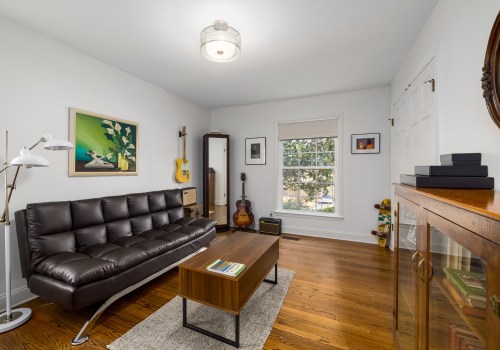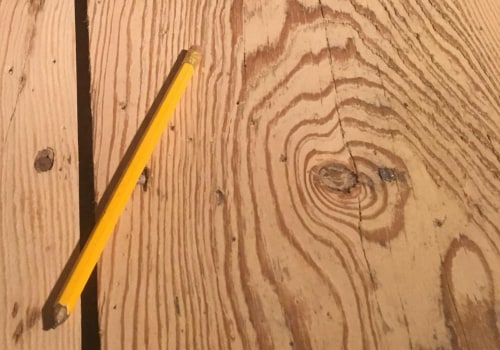
Hardwood flooring is a major asset in a home, but it can also influence moving costs more than many homeowners expect. Because hardwood is susceptible to scratches, dents, and moisture damage, extra precautions are required during a move. Movers often need to use protective coverings, floor runners, and corner guards to preserve the condition of the flooring. These added materials and labor steps can slightly increase moving expenses, but they are essential to prevent costly repairs after the move is complete.
Protection Requirements During Moving Day
Homes with hardwood floors typically require more detailed preparation before furniture and boxes are moved. Heavy items such as appliances, dressers, and safes must be carefully lifted rather than dragged to avoid gouging the surface. Movers may also need to lay down temporary plywood or thick padding in high-traffic areas. While these precautions add time to the moving process, they significantly reduce the risk of damage. The additional labor involved is often reflected in overall moving costs, especially for large households or multi-day moves.
Repair and Refinishing Considerations
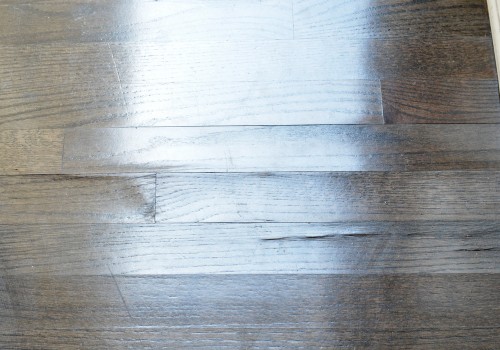
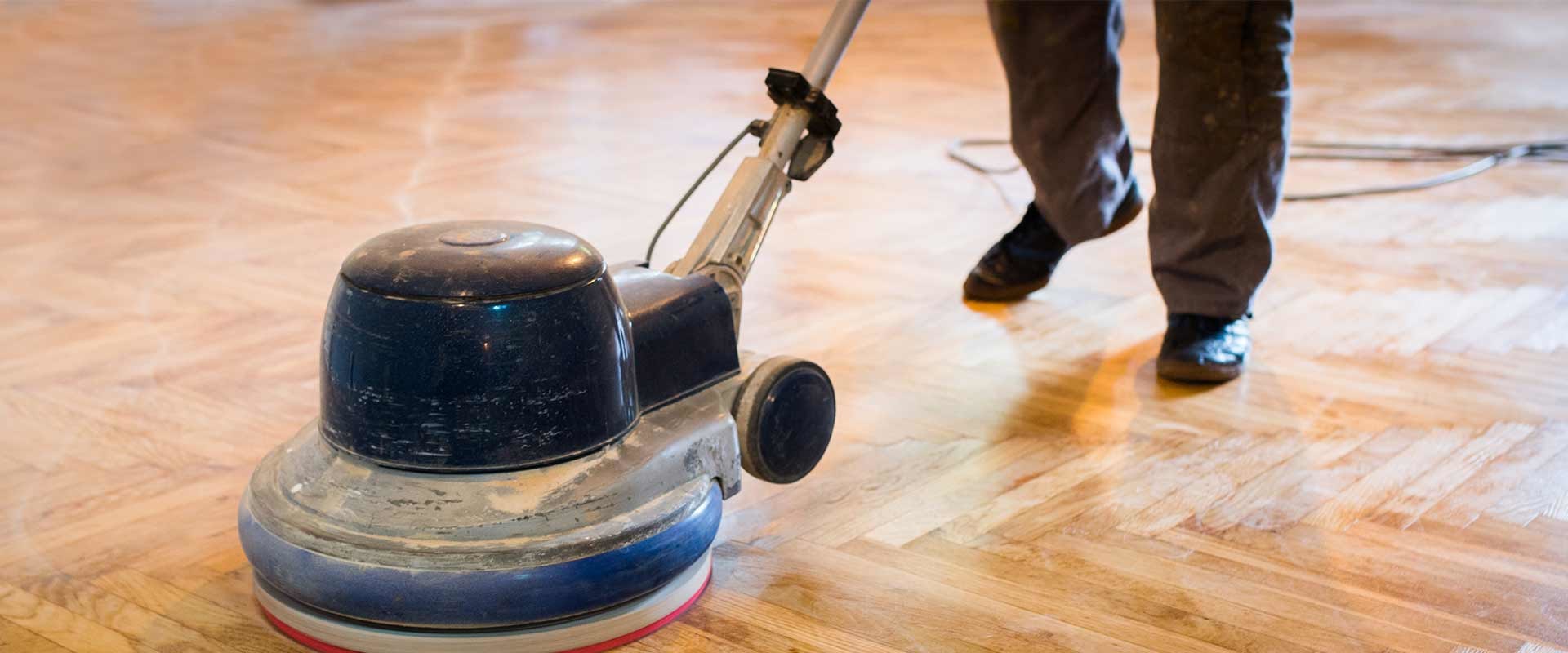
If hardwood floors already show signs of wear, homeowners may choose to refinish or repair them before moving out or after moving in. Refinishing can improve appearance and home value, particularly for sellers, but it comes with its own costs and scheduling considerations. If refinishing is planned before the move, furniture may need to be removed earlier and stored temporarily. In these situations, using highly secure storage units in Austin area can help protect belongings while floors cure and settle, preventing damage and reducing logistical stress.
Timing Your Move Around Flooring Work
The timing of a move relative to hardwood flooring work can affect both cost and convenience. Newly installed or refinished floors require curing time, during which heavy traffic should be avoided. Moving too soon can result in dents or permanent marks, leading to expensive repairs. Delaying the move until floors are fully cured may require temporary housing or storage solutions, which can add to overall expenses. However, this approach often saves money long-term by avoiding damage-related repairs.
Weight and Furniture Placement Challenges
Hardwood flooring also affects how furniture is handled and placed during a move. Items with narrow legs or concentrated weight can leave pressure marks if not properly protected. Movers may need to use sliders, pads, or distribution boards to spread weight evenly. These tools help protect floors but require additional setup and care. While the cost impact may seem minor individually, it can add up when multiple large items are involved.
Insurance and Liability Factors
Homes with hardwood flooring may also influence insurance considerations during a move. Some moving companies factor increased liability into pricing when fragile surfaces are involved. While reputable movers take every precaution, hardwood floors represent a higher risk category compared to carpeted spaces. Understanding this ahead of time helps homeowners set realistic expectations and choose appropriate coverage options to protect their investment.
Planning Ahead to Control Costs
The best way to manage moving costs related to hardwood flooring is proactive planning. Communicating clearly with movers about flooring types allows them to prepare appropriate materials and estimate labor accurately. Removing area rugs, securing loose boards, and cleaning floors before moving day can streamline the process. Planning furniture placement in advance also minimizes unnecessary movement, reducing both time and risk.
Balancing Protection and Budget
Hardwood flooring adds beauty and value to a home, but it requires thoughtful handling during a move. While protective measures may slightly increase moving costs, they are far less expensive than repairing damaged floors. By understanding what to expect and planning accordingly, homeowners can balance budget concerns with proper care. In the end, investing in protection ensures that hardwood floors remain a lasting asset rather than an unexpected expense during the moving process.