Hardwood flooring has long been a popular choice for homeowners seeking durability, warmth, and timeless appeal. When selecting hardwood floors, one of the most common questions is the difference between solid hardwood and engineered hardwood. While both options offer the beauty of real wood, they differ in construction, performance, and ideal use cases. Understanding these differences helps homeowners choose the flooring that best fits their lifestyle, environment, and long-term goals.
What Is Solid Hardwood Flooring?
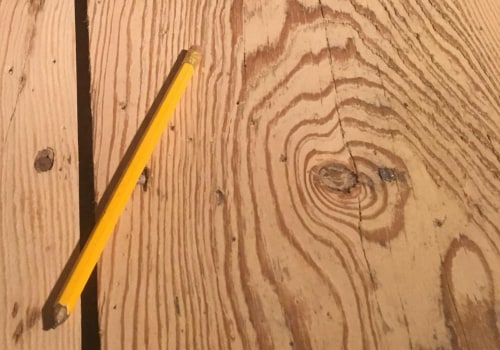
Solid hardwood flooring is made from a single, solid piece of natural wood. Each plank is milled from one piece of timber, giving it a uniform composition throughout. This type of flooring is known for its longevity and classic feel. Because it is solid wood all the way through, solid hardwood can be sanded and refinished multiple times over its lifespan. This makes it an excellent long-term investment for homes where conditions remain stable and moisture levels are well controlled. Solid hardwood is commonly installed using nail-down methods and is typically recommended for above-grade areas such as living rooms, bedrooms, and dining spaces.
What Is Engineered Hardwood Flooring?
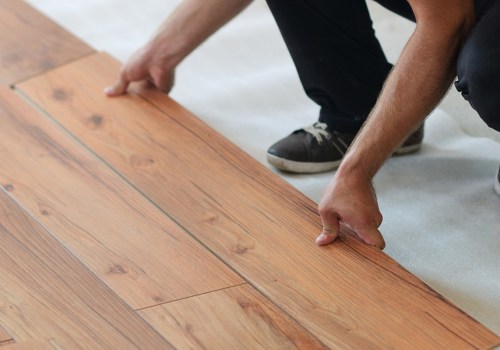
Engineered hardwood flooring is constructed using multiple layers of wood materials bonded together. The top layer consists of real hardwood veneer, while the underlying layers are made of plywood or high-density fiberboard arranged in a cross-grain pattern. This layered construction increases stability and resistance to moisture and temperature changes. Engineered hardwood is designed to reduce expansion and contraction, making it suitable for a wider range of environments, including basements and areas with fluctuating humidity. It can be installed using various methods, such as floating, glue-down, or nail-down, offering greater flexibility during installation.
Key Differences in Performance and Durability
One of the main differences between solid and engineered hardwood lies in how they respond to environmental conditions. Solid hardwood is more sensitive to moisture and temperature changes, which can cause it to expand or contract. Engineered hardwood, on the other hand, is designed to handle these changes more effectively due to its layered structure. In terms of durability, solid hardwood can last for generations when properly maintained, thanks to its ability to be refinished multiple times. Engineered hardwood can also be refinished, but the number of times depends on the thickness of the top veneer layer.
Installation and Maintenance Considerations
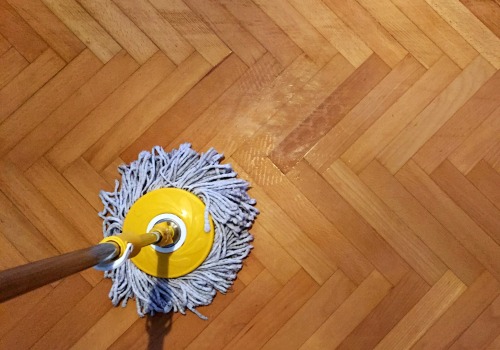
Installation requirements often influence the choice between solid and engineered hardwood. Solid hardwood typically requires professional installation and a stable subfloor. Engineered hardwood offers more versatility, making it easier to install over concrete or radiant heating systems. Maintenance for both types is similar, involving regular cleaning and protection from excessive moisture. Homeowners researching flooring solutions often consult industry resources such as https://www.roth-kippe.ch to better understand material performance and long-term care considerations.
Cost and Design Flexibility
Cost differences between solid and engineered hardwood can vary based on wood species, brand, and finish. Solid hardwood may have a higher upfront cost but offers long-term value through refinishing. Engineered hardwood is often more budget-friendly initially and provides greater design flexibility, including wider planks and diverse finishes. Both options are available in a wide range of styles, allowing homeowners to achieve the desired aesthetic regardless of construction type.
Choosing the Right Option for Your Home
The choice between solid and engineered hardwood flooring ultimately depends on your home’s environment, budget, and personal preferences. Solid hardwood is ideal for traditional spaces with controlled conditions and a focus on longevity. Engineered hardwood is better suited for areas with moisture concerns or where installation flexibility is important. By understanding the differences in construction, performance, and application, homeowners can make informed decisions that balance beauty, practicality, and long-term satisfaction.