When homeowners consider updating hardwood floors, the decision often comes down to refinishing existing boards or replacing them entirely. Both options can dramatically improve the look and value of a home, but they differ significantly in terms of cost, time, and cleanup requirements. Refinishing typically involves sanding down the top layer of wood and applying new stain and finish, while replacement requires removing old flooring and installing new materials. Understanding how each approach impacts debris and waste helps homeowners plan for a smoother renovation experience.
Cleanup Realities of Hardwood Floor Refinishing
Refinishing hardwood floors produces fine dust and debris that can spread throughout a home if not properly managed. Sanding generates wood particles that settle on surfaces, enter vents, and linger in the air. Professional contractors often use dust containment systems, but some cleanup is still unavoidable. Homeowners should plan for thorough cleaning of furniture, baseboards, and adjacent rooms after the work is complete. While refinishing creates less bulky waste than replacement, proper dust control and disposal remain essential to maintaining indoor air quality and overall cleanliness.
Waste Considerations When Replacing Hardwood Floors
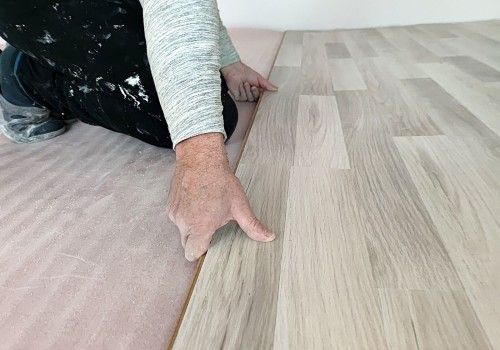
Replacing hardwood floors involves a more intensive cleanup process. Old boards, nails, underlayment, and adhesive materials must be removed before new flooring can be installed. This process generates large volumes of heavy, bulky debris that cannot be managed with regular household trash bins. Scheduling a roll-off dumpster rental in St Paul, MN provides a practical solution for collecting and removing old flooring materials efficiently. Having a dumpster on-site keeps work areas clear, reduces trip hazards, and allows contractors to dispose of debris as demolition progresses.
Comparing Disposal Needs and Logistics
One key difference between refinishing and replacement lies in how waste is handled. Refinishing waste is mostly fine dust and small scraps, requiring careful containment and frequent cleaning rather than large-scale disposal. Replacement waste, on the other hand, demands proper hauling and disposal of solid materials. Homeowners should consider access points, driveway space, and local disposal regulations when planning a replacement project. Coordinating waste removal in advance helps prevent delays and ensures the renovation stays on schedule.
Environmental and Safety Factors
Environmental impact is another important consideration. Refinishing existing hardwood floors is generally more sustainable, as it preserves materials and reduces landfill waste. Replacement generates more debris but may be necessary when floors are severely damaged or beyond repair. Regardless of the choice, maintaining a clean worksite improves safety by reducing tripping hazards and exposure to dust or sharp materials. Proper waste management supports both environmental responsibility and occupant well-being.
Planning Ahead for a Cleaner Renovation
Whether refinishing or replacing hardwood floors, thoughtful cleanup planning makes a significant difference in the renovation experience. Understanding the type and volume of waste each option produces allows homeowners to prepare appropriate disposal solutions and cleaning strategies. Clear communication with contractors, proactive waste management, and realistic expectations help ensure the project proceeds efficiently. By considering cleanup needs alongside design and budget, homeowners can enjoy refreshed hardwood floors without unnecessary stress or disruption.