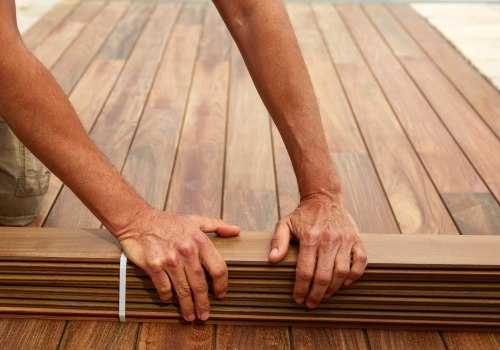
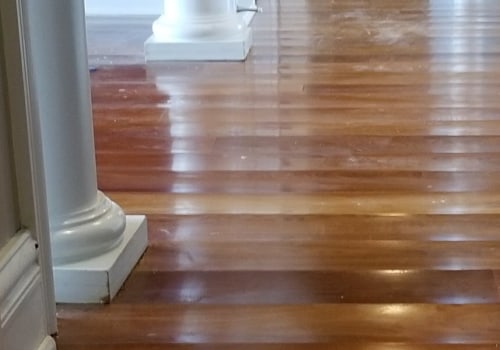
Hardwood flooring has long been considered one of the most desirable upgrades for residential properties because it combines timeless style, durability, and long-term value. Homeowners often choose hardwood floors to enhance the appearance of living spaces, improve resale potential, and create a warm, inviting atmosphere that appeals to a wide range of buyers. Unlike many decorative upgrades that may go out of style, quality hardwood flooring remains a sought-after feature that can continue adding value for decades when properly maintained. Beyond its visual appeal, hardwood flooring contributes to a home's overall functionality by providing a durable surface that can withstand everyday use and, in many cases, be refinished rather than replaced. While the flooring itself is not a structural component, its successful installation depends on careful planning that respects the building's existing structural system and supports the long-term performance of the home.
Proper Installation Protects the Underlying Structure
A well-installed hardwood floor enhances a home without compromising the structural integrity of the building beneath it. Before installation begins, contractors evaluate the condition of the subfloor to ensure it is level, dry, and capable of supporting the new flooring system. Existing structural concerns such as uneven framing, excessive floor movement, water damage, or deteriorated subfloor materials should be addressed before hardwood is installed, as these issues can affect both the appearance and performance of the finished floor. Hardwood naturally expands and contracts with changes in humidity, making proper spacing and installation techniques essential for preventing buckling, gaps, or unnecessary stress on surrounding materials. Companies such as Open Concept Engineering recognize that even cosmetic renovations benefit from thoughtful structural planning, particularly when existing floor systems require evaluation before new finishes are applied. Their approach reflects the importance of ensuring that aesthetic improvements are supported by a stable and reliable structural foundation.
Long-Term Benefits Beyond Appearance
Hardwood flooring offers advantages that extend well beyond increasing a property's visual appeal. Because it is durable and repairable, hardwood often outlasts many other flooring materials, reducing the need for frequent replacement and minimizing renovation waste over time. It also contributes to healthier indoor environments by avoiding the fibers that can trap dust and allergens in some floor coverings. From a structural perspective, hardwood flooring performs best when the building beneath it remains stable, making regular maintenance of foundations, crawl spaces, and moisture control systems an important part of protecting the investment. Excess moisture, plumbing leaks, or foundation movement can affect the condition of both the flooring and the supporting structure below. Addressing these issues promptly helps preserve the integrity of the floor while preventing more extensive structural concerns that could reduce the value of the property.
Combining Quality Materials With Sound Planning
The greatest long-term value is achieved when premium flooring materials are paired with careful planning and proper construction practices. Hardwood flooring should be viewed as one element of a complete home improvement strategy that includes routine inspections, moisture management, structural maintenance, and professional installation. Coordination between flooring contractors, builders, and engineering professionals becomes especially valuable during major renovations where floor layouts are modified or structural repairs are completed before new flooring is installed. This collaborative approach helps ensure that the finished product remains level, attractive, and durable for many years. Homeowners benefit from increased property value, enhanced interior comfort, and confidence that their investment has been installed on a sound structural foundation. By understanding how hardwood flooring can improve a home's appeal without compromising structural integrity, property owners can make informed renovation decisions that combine lasting beauty with responsible building practices, resulting in homes that remain both visually appealing and structurally dependable well into the future.