Large interior renovation projects often focus on visual upgrades, structural improvements, and modernizing indoor spaces, but moisture management is one of the most important factors that can influence the long-term success of the entire project. Whether a property is undergoing a kitchen remodel, basement finishing project, open-concept conversion, or full interior reconstruction, roofing professionals frequently pay close attention to how moisture may affect the work being completed inside the building. Many homeowners assume roofing only matters when exterior leaks are visible, but roof conditions can quietly impact insulation, drywall, flooring, framing, and ventilation systems during major renovations. Even small amounts of hidden moisture entering through roofing materials, flashing gaps, or ventilation issues can create long-term complications once walls and ceilings are sealed back into place.
Why Moisture Becomes a Bigger Risk During Renovations
Interior renovation projects often expose areas of the property that are normally hidden behind walls, ceilings, or flooring systems. This creates an opportunity for contractors and roofing professionals to identify signs of water intrusion that may have gone unnoticed for years. During demolition or reconstruction, issues such as damp insulation, stained framing, mold growth, or weakened wood components sometimes become visible for the first time. Moisture problems that are ignored during this phase can continue spreading after the renovation is completed, eventually damaging expensive finishes and reducing the lifespan of newly installed materials. Roofing specialists understand that unresolved leaks or ventilation problems above the renovation area may allow humidity and water intrusion to persist even after interior upgrades are finished.
The Connection Between Roofing and Indoor Air Conditions
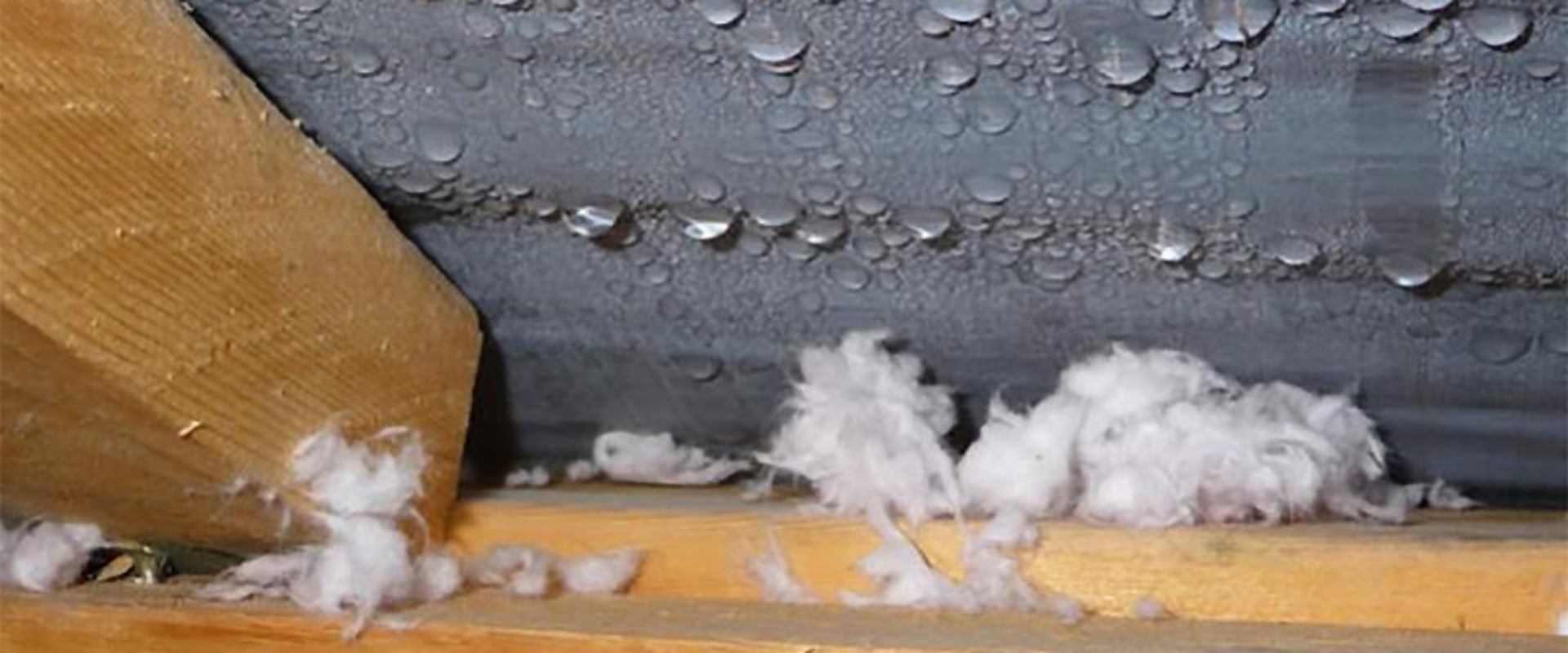
Roof systems play a major role in regulating airflow, humidity control, and temperature consistency throughout a building. Improper roof ventilation can trap warm, moist air inside attic spaces, leading to condensation that eventually affects ceilings and upper interior walls. During large renovation projects, indoor moisture levels often rise due to construction activities such as painting, drywall installation, flooring adhesives, and material curing. Without proper ventilation and roofing support, excess humidity can become trapped inside the structure, increasing the likelihood of mold growth or material warping. Companies such as A1 Roofing Services recognize that protecting indoor renovations requires more than simply preventing active leaks. Evaluating attic ventilation, roof flashing, drainage systems, and moisture-prone areas helps reduce the risk of hidden water damage affecting newly renovated interior spaces.
Protecting New Materials From Long-Term Damage
Modern renovation projects frequently involve premium materials such as hardwood flooring, custom cabinetry, insulation systems, decorative ceilings, and advanced wall finishes. These materials are highly vulnerable to moisture exposure during and after installation. Even slight roof-related water intrusion can lead to swelling, staining, separation, or deterioration that may not appear immediately. In some cases, moisture becomes trapped behind newly finished walls where damage quietly worsens over time. Roofing professionals often coordinate with renovation contractors to ensure the property envelope remains protected throughout the construction process. Temporary roof coverings, gutter inspections, and drainage evaluations may all be part of minimizing water-related risks while renovations are underway.
Preventive Planning Supports Better Renovation Outcomes
Addressing roofing concerns before or during a major interior renovation is often far more cost-effective than repairing hidden moisture damage after the project is complete. Preventive inspections allow roofing professionals to identify weak points that could compromise the renovation later, including aging shingles, deteriorated flashing, clogged drainage systems, or inadequate attic airflow. By correcting these issues early, homeowners can better protect their investment while improving the durability of interior upgrades. Large renovations place significant attention on appearance and functionality, but long-term performance depends heavily on moisture control behind the scenes. When roofing systems and interior renovation plans are evaluated together, the property benefits from improved structural protection, healthier indoor conditions, and reduced risk of future repair expenses caused by hidden water intrusion.