Hardwood flooring is valued for its natural beauty, durability, and timeless appeal, making it one of the most desirable flooring options for homeowners. While many people focus on selecting the right wood species, stain color, or finish, one of the most important factors influencing long-term performance often receives far less attention: humidity control. Wood is a natural material that continually responds to changes in its surrounding environment by expanding and contracting as moisture levels fluctuate. Without maintaining consistent indoor humidity, even expertly installed hardwood flooring can develop gaps, cupping, buckling, or surface damage over time. Understanding the relationship between moisture and wood helps homeowners protect their investment while preserving the appearance and structural integrity of their floors for many years.
How Humidity Affects Hardwood Flooring
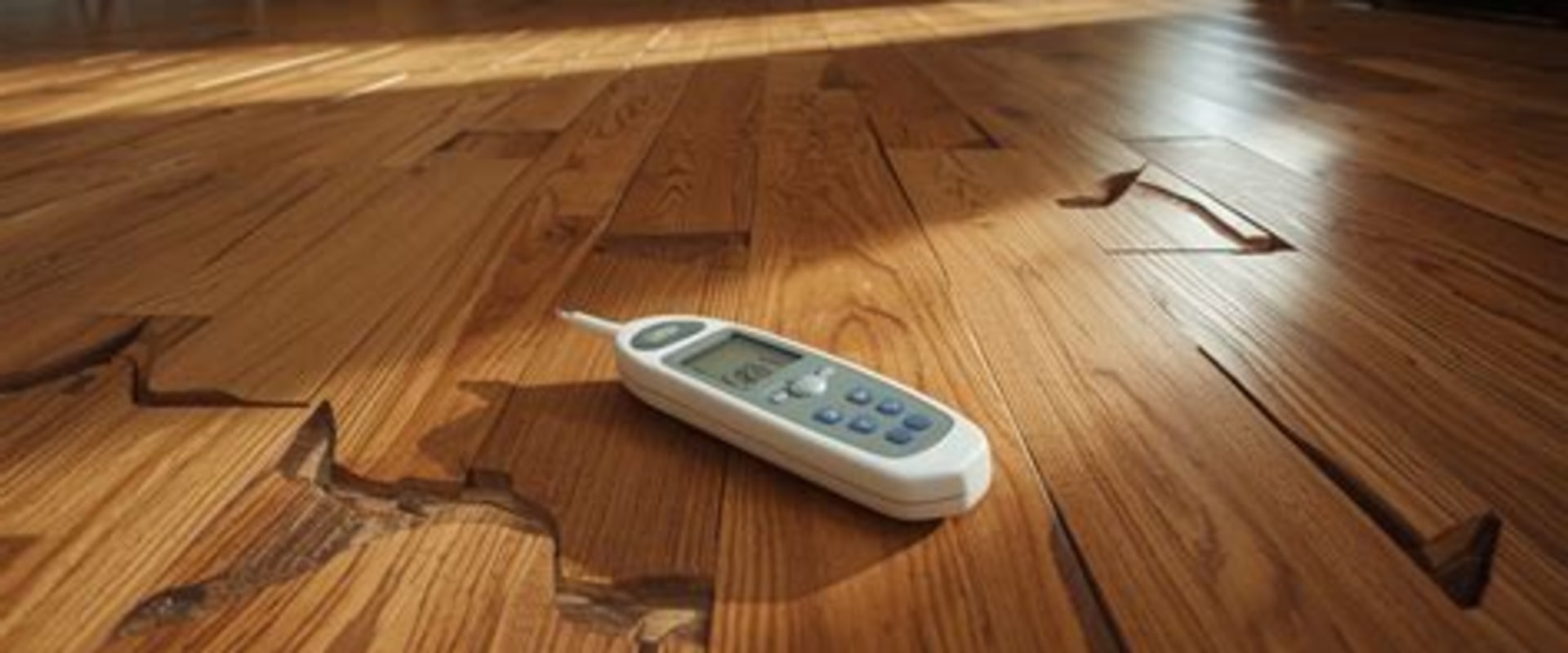
Every piece of hardwood contains natural moisture, and its moisture content adjusts according to the surrounding air. During periods of high humidity, wood absorbs additional moisture and expands slightly. When indoor air becomes excessively dry, the boards release moisture and contract. These natural movements are expected to a certain degree, but extreme or prolonged fluctuations can create visible and sometimes permanent damage. Gaps between boards, raised edges, warped planks, squeaking, and cracked finishes often result from inconsistent humidity rather than poor craftsmanship. For this reason, flooring professionals recommend maintaining stable indoor relative humidity throughout the year to minimize unnecessary movement and extend the life of hardwood surfaces.
Managing Moisture Throughout the Home
Humidity control extends beyond the room where hardwood flooring is installed. Kitchens, laundry rooms, basements, and bathrooms all contribute to the home's overall moisture balance, making proper ventilation an important part of protecting wood flooring. High-moisture areas should be equipped with effective exhaust fans and properly sealed fixtures that help prevent excess humidity from spreading into adjacent living spaces. Homeowners investing in bathroom upgrades often choose features such as shower enclosures because they help contain water within the bathing area while reducing moisture that may otherwise escape into the room. Although bathroom renovations and hardwood flooring serve different purposes, both benefit from thoughtful moisture management strategies that contribute to a healthier and more stable indoor environment.
Preventive Maintenance Preserves Long-Term Performance
Maintaining appropriate humidity levels requires ongoing attention rather than one-time adjustments. During dry winter months, whole-home humidifiers or portable units can help prevent excessive shrinking and cracking. In humid climates or during summer, air conditioning systems and dehumidifiers assist in removing excess moisture before it affects flooring materials. Regular monitoring with a hygrometer allows homeowners to track indoor humidity and make adjustments as seasonal conditions change. In addition to climate control, promptly cleaning spills, using protective mats near exterior doors, and maintaining consistent indoor temperatures all contribute to reducing moisture-related stress on hardwood flooring. These preventive measures often require far less effort and expense than repairing or replacing damaged flooring later.
Protecting Beauty Through Environmental Control
Hardwood flooring represents a long-term investment that deserves proper care beyond routine sweeping and occasional refinishing. While selecting premium materials and professional installation establishes a strong foundation, environmental conditions ultimately determine how well those floors perform over time. By recognizing the importance of humidity control, homeowners can significantly reduce the risk of warping, separation, surface deterioration, and structural movement. Consistent indoor climate management not only preserves the flooring's appearance but also protects its strength and stability through changing seasons. Ultimately, maintaining balanced humidity levels allows hardwood floors to retain their elegance, functionality, and lasting value, ensuring they continue enhancing the comfort and beauty of the home for decades to come.