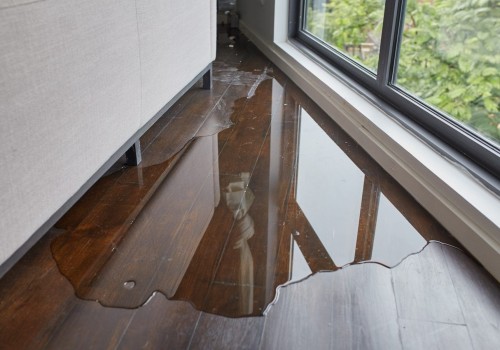
Integrating underfloor systems with hardwood flooring installations requires a careful balance between functionality and preservation of materials. Underfloor systems—whether heating, electrical conduits, or insulation layers—must be designed to work harmoniously with the natural characteristics of wood. Hardwood is sensitive to temperature and moisture changes, which means improper installation can lead to warping, gaps, or long-term structural issues. To prevent these problems, it’s essential to select compatible systems specifically designed for use beneath wood flooring. Radiant heating systems, for example, should provide consistent and controlled heat distribution, ensuring the wood expands and contracts minimally over time. Proper planning at this stage lays the foundation for a durable and efficient flooring system.
Preparing the Subfloor and Materials
Before installing any underfloor system, the subfloor must be thoroughly prepared. This includes ensuring it is clean, level, and dry to support both the system and the hardwood flooring above. Moisture barriers are often necessary to protect the wood from potential damage caused by humidity or leaks. Additionally, selecting the right type of hardwood is crucial—engineered hardwood is often preferred over solid wood due to its enhanced stability in environments with temperature fluctuations. Acclimating the wood to the room’s conditions before installation further reduces the risk of expansion or contraction issues. Attention to these preparation steps ensures that the underfloor system and hardwood flooring perform well together over time.
Installation Techniques and Best Practices
The installation process plays a critical role in the success of integrating underfloor systems with hardwood flooring. Professionals must carefully follow manufacturer guidelines for both the underfloor system and the flooring material. This includes maintaining proper spacing, avoiding excessive heat levels, and ensuring even distribution across the floor surface. Fastening methods also matter—floating floors or glue-down installations are often recommended over nail-down methods when underfloor systems are involved. During this phase, coordination between different trades, such as electricians and flooring specialists, is essential. In some cases, homeowners may also consider additional protective measures, such as whole house surge protection in McKinney, to safeguard the electrical components of underfloor systems and ensure long-term reliability.
Balancing Comfort and Efficiency
One of the primary benefits of integrating underfloor systems is the added comfort they bring to living spaces. Radiant heating, in particular, provides even warmth that enhances the natural feel of hardwood flooring. However, achieving this comfort must not come at the expense of efficiency. Proper insulation beneath the system helps direct heat upward, maximizing energy use while preventing unnecessary heat loss. Programmable thermostats can also be used to regulate temperatures, ensuring consistent performance without overloading the system. By balancing comfort and efficiency, homeowners can enjoy a warm and inviting environment while keeping energy costs under control.
Long-Term Maintenance and Performance
Maintaining a hardwood floor with an integrated underfloor system requires ongoing care and monitoring. Regular inspections can help identify potential issues such as uneven heating, moisture buildup, or wear and tear on the flooring. It’s also important to keep temperature settings within recommended limits to prevent damage to the wood. Cleaning and maintenance routines should be adapted to account for the presence of the system, avoiding excessive water or harsh chemicals that could seep into the flooring. With proper care, an integrated system can provide lasting performance, combining the timeless beauty of hardwood with the modern convenience of underfloor technology.